

More about Baby & toddler care products (diapers, baby formula)
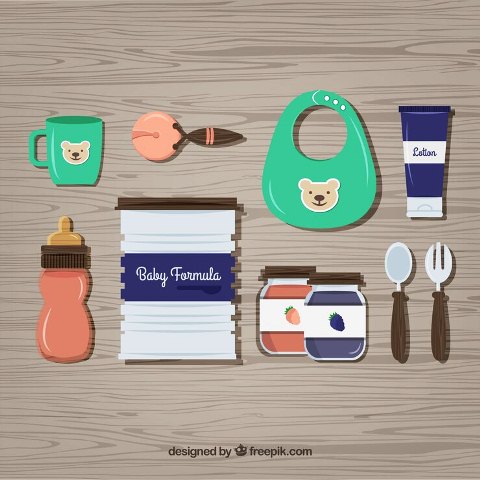
Baby and toddler care products, like diapers, baby formula, wipes, and skincare, are essential for infant health and comfort. Here’s a quick breakdown:
1. Diapers 🍼
📌 Types:
✔ Disposable Diapers – Popular brands: Pampers, Huggies, Luvs.
✔ Cloth Diapers – Reusable & eco-friendly (e.g., BumGenius, GroVia).
✔ Training Pants – For potty training (Pull-Ups, GoodNites).
📌 Key Features:
✔ Absorbency – Prevents leaks and keeps baby dry.
✔ Breathability – Reduces diaper rash.
✔ Eco-Friendliness – Biodegradable or reusable options.
2. Baby Formula 🍼
📌 Types of Formula:
✔ Cow’s Milk-Based – Most common, easy to digest (e.g., Similac, Enfamil).
✔ Soy-Based – For lactose-intolerant babies.
✔ Hypoallergenic – For allergies/sensitive stomachs (e.g., Nutramigen, Alimentum).
✔ Organic & Goat Milk Formula – Natural options with fewer additives.
📌 Choosing the Right Formula:
✔ Check for essential nutrients (DHA, ARA, iron, probiotics).
✔ Consult a pediatrician for babies with allergies or reflux.
3. Other Essential Baby Care Products 👶
✔ Wipes & Diaper Creams – Fragrance-free, hypoallergenic for sensitive skin.
✔ Baby Skincare – Moisturizers & shampoos (Aveeno, Mustela, Cetaphil).
✔ Bottles & Feeding Accessories – BPA-free bottles, sterilizers, and warmers.
✔ Pacifiers & Teething Toys – Helps soothe fussy babies.
Business Details for a Baby & Toddler Care Brand (Diapers, Baby Formula, etc.) 🚀
Starting a business in the baby and toddler care industry requires market research, branding, product sourcing, compliance, and a strong marketing strategy. Here’s a complete business blueprint:
1. Business Model & Niche Selection 🏪
📌 Decide on Your Product Line:
✔ Diapers – Disposable, biodegradable, or cloth diapers.
✔ Baby Formula – Organic, hypoallergenic, or specialized formulas.
✔ Baby Skincare – Lotions, shampoos, wipes.
✔ Nursing & Feeding Products – Bottles, breast pumps, baby food.
📌 Business Model Options:
✔ Manufacturing & Private Label – Create your own brand (e.g., launching an eco-friendly diaper brand).
✔ Dropshipping – Partner with suppliers to sell online without holding inventory.
✔ Wholesale & Retail – Distribute existing brands via an online store or physical shop.
✔ Subscription Model – Monthly baby care box (diapers, wipes, formula).
2. Product Sourcing & Manufacturing 🏭
📌 Options:
✔ Manufacturing Your Own Products – Work with a baby product manufacturer (e.g., China, India, or the USA).
✔ Private Labeling – Source from established manufacturers and sell under your brand.
✔ Wholesale Suppliers – Partner with major brands (Huggies, Similac) to resell their products.
📌 Key Factors to Consider:
✔ Safety & Quality Standards – Ensure compliance with FDA, EU regulations, or organic certifications.
✔ Cost & Scalability – Start small and scale production as demand grows.
✔ Sustainable Materials – Growing demand for biodegradable diapers and organic baby formula.
3. Regulatory Compliance & Certifications ⚖️
📌 Diapers & Baby Skincare:
✔ Must comply with CPSIA (Consumer Product Safety Improvement Act) in the U.S.
✔ Get dermatological testing & hypoallergenic certification.
📌 Baby Formula:
✔ Must follow FDA, EU, or local food safety standards.
✔ Secure organic or non-GMO certifications if applicable.
4. Branding & Packaging 🎨
📌 Create a Unique Brand Identity:
✔ Choose a brand name, logo, and tagline that resonate with parents.
✔ Develop eco-friendly or minimalist packaging to appeal to modern consumers.
✔ Highlight USP (Unique Selling Proposition) – e.g., “Organic, Chemical-Free, and Baby-Safe.”
📌 Examples of Winning Brands:
✔ Honest Company – Eco-friendly baby products.
✔ Hello Bello – Affordable, high-quality baby essentials.
✔ Earth’s Best – Organic baby formula.
5. E-commerce Setup & Sales Channels 🛒
📌 Where to Sell:
✔ Your Own Website (Shopify, WooCommerce, Wix) – Full control over branding & customer data.
✔ Amazon & Walmart Marketplace – Sell directly on trusted platforms.
✔ Retail & Supermarkets – Partner with physical stores.
✔ Subscription Model (Direct-to-Consumer) – Diaper/formula monthly deliveries.
📌 Payment & Logistics:
✔ Offer multiple payment options (credit cards, PayPal, Apple Pay).
✔ Set up warehousing & fulfillment (Amazon FBA, third-party logistics).
6. Marketing & Customer Acquisition 📢
📌 Digital Marketing Strategies:
✔ SEO & Content Marketing – Write blogs like “Best Diapers for Newborns” to drive organic traffic.
✔ Influencer Collaborations – Work with mom bloggers & parenting YouTubers.
✔ Social Media Ads (Facebook, Instagram, TikTok) – Run targeted campaigns for expecting parents.
✔ Email Marketing & Loyalty Programs – Offer discounts for repeat customers.
📌 Retail & In-Store Marketing:
✔ Offer free samples in hospitals & maternity centers.
✔ Use eye-catching packaging & promotions in supermarkets.
7. Financial Planning & Investment 💰
📌 Cost Estimates:
✔ Product Development & Manufacturing – $10,000 – $100,000+ (depending on scale).
✔ Website & Branding – $2,000 – $10,000.
✔ Marketing Budget – $5,000 – $50,000 for initial ads & influencer marketing.
✔ Inventory & Warehousing – Depends on business model.
📌 Funding Options:
✔ Self-Funding or Bootstrapping – Start with a small product line and scale gradually.
✔ Angel Investors & Venture Capital – If launching an innovative product (e.g., organic, tech-integrated diapers).
✔ Crowdfunding (Kickstarter, Indiegogo) – Raise money by pre-selling products.
Marketing Strategy for a Baby & Toddler Care Brand (Diapers, Baby Formula, etc.) 🚀
The baby care industry is highly competitive, so your marketing strategy needs to focus on trust, safety, and emotional connections with parents. Here’s how to build brand awareness, drive sales, and create a loyal customer base:
1. Define Your Target Audience 🎯
✔ Who are your customers?
- New & expecting parents
- Moms & dads with infants/toddlers (0-3 years)
- Health-conscious or eco-friendly parents
- Parents looking for premium or budget-friendly baby products
✔ Where do they spend time online?
- Parenting forums (BabyCenter, What to Expect)
- Social media (Instagram, Facebook, TikTok)
- E-commerce sites (Amazon, Walmart, Shopify)
- YouTube (Mom bloggers, product reviews)
2. Brand Positioning & Messaging 💡
📌 Differentiate Your Brand:
✔ Premium & Organic? – “Safe, chemical-free baby care for your little one.”
✔ Affordable & High-Quality? – “Best care for babies at prices parents love.”
✔ Eco-Friendly? – “Sustainable diapers that protect both babies and the planet.”
📌 Emotional Storytelling:
✔ Create campaigns that focus on moments of parenthood – baby’s first steps, bedtime bonding, etc.
✔ Use real parent testimonials & baby care experts to build trust.
3. Digital Marketing & Social Media 📢
📌 Instagram & TikTok Marketing:
✔ Reels & Stories: Show cute baby moments, parenting tips, product demos.
✔ Mommy Influencer Collabs: Partner with parenting bloggers & YouTubers for reviews.
✔ Challenges & Giveaways: “Post your baby’s funniest moment to win free diapers for a month!”
📌 Facebook & Pinterest Ads:
✔ Target New Parents – Run Facebook & Instagram Ads targeting expecting moms.
✔ Pinterest Boards – “Best Baby Essentials Checklist” linking back to your site.
📌 YouTube Content:
✔ How-to videos – “How to Choose the Best Diaper for Your Baby.”
✔ Collaborate with Mom Bloggers for unboxing & reviews.
4. Influencer & Affiliate Marketing 🤝
📌 Micro-Influencers (10k-100k followers)
✔ Partner with mom influencers & pediatricians for authentic product recommendations.
✔ Offer free products in exchange for honest reviews & shoutouts.
📌 Affiliate Program:
✔ Create a referral system – “Get 10% off when you refer a friend.”
✔ Work with parenting bloggers who earn a commission for every sale.
5. SEO & Content Marketing 📝
📌 Blog Topics for Organic Traffic:
✔ “Best Diapers for Sensitive Skin in 2024”
✔ “What’s the Best Baby Formula for Newborns?”
✔ “10 Must-Have Baby Products for New Parents”
📌 Local SEO:
✔ Optimize for “best baby formula near me”, “eco-friendly diapers in [city]”.
✔ Get listed on Google My Business & parenting directories.
6. E-commerce & Marketplace Optimization 🛒
📌 Amazon & Walmart:
✔ Optimize listings with high-quality images, SEO-rich descriptions, and video demos.
✔ Run Amazon PPC ads targeting parents searching for baby products.
✔ Encourage verified customer reviews to boost credibility.
📌 Subscription Model (D2C)
✔ Offer monthly diaper or baby formula subscription boxes.
✔ “Subscribe & Save” – Discount for repeat buyers.
7. Retail & In-Store Promotions 🏪
📌 Partnerships with Baby Stores & Pharmacies
✔ Get your products in Target, Walmart, or baby boutiques.
✔ Offer free samples in maternity hospitals to reach new parents.
📌 In-Store Marketing
✔ Shelf talkers & posters with QR codes leading to your website.
✔ Limited-time discounts to attract first-time buyers.
8. Promotions & Loyalty Programs 🎁
📌 First-Time Buyer Discounts
✔ “Get 20% off your first diaper order!”
📌 Loyalty Programs
✔ “Earn points with every purchase & redeem for free baby products.”
📌 Referral Campaigns
✔ “Refer a friend & both get $10 off your next purchase.”
Setting Up an Official Website for a Baby & Toddler Care Brand 🚀
A professional e-commerce website is essential for selling diapers, baby formula, and baby care products directly to customers. Here’s a step-by-step guide:
1. Choose a Domain & Hosting Provider 🌐
📌 Domain Name:
✔ Pick a brandable & easy-to-remember name (e.g., BabyNest.com, LittleCare.co, PureBabyEssentials.com).
✔ Use .com, .shop, or .baby for credibility.
📌 Hosting Options:
✔ Use Shopify (best for e-commerce), WooCommerce (WordPress), or Wix.
✔ Choose secure hosting (SSL certificate, fast loading speed).
2. Website Design & User Experience (UX) 🎨
📌 Key Features:
✔ Mobile-friendly design – Most parents shop from phones.
✔ Simple navigation – Easy to browse categories (Diapers, Formula, Baby Skincare, etc.).
✔ Clean, soft colors & baby-friendly theme.
✔ High-quality product images & videos – Show ingredients, textures, and packaging.
📌 Essential Pages:
✔ Home Page – Show hero banners, featured products, and bestsellers.
✔ Shop/Products Page – Well-organized categories with filters (price, age, brand).
✔ Product Details Page – Includes description, benefits, pricing, reviews, and “Add to Cart” button.
✔ About Us – Brand story, mission, values (e.g., organic, eco-friendly, safe for babies).
✔ Customer Reviews – Build trust with testimonials.
✔ Contact Page – Support email, live chat, and phone number.
✔ FAQ & Blog – Answer common parent concerns + share parenting tips.
3. Secure Payment & Checkout System 💳
📌 Payment Methods:
✔ Credit/Debit Cards (Visa, Mastercard, Amex).
✔ PayPal, Apple Pay, Google Pay.
✔ Buy Now, Pay Later (BNPL) – Klarna, Afterpay for larger orders.
📌 Smooth Checkout:
✔ Offer guest checkout (no forced sign-ups).
✔ Allow auto-save shipping details for returning customers.
✔ Provide secure SSL encryption to protect customer data.
4. Shipping & Fulfillment 📦
📌 Shipping Options:
✔ Free shipping for orders above a certain amount.
✔ Offer express delivery for urgent baby needs.
✔ Provide real-time tracking with shipping updates.
📌 Warehouse & Fulfillment:
✔ Use Amazon FBA, ShipBob, or in-house fulfillment.
✔ Optimize packaging for eco-friendliness & cost efficiency.
5. Marketing & Sales Features 📢
📌 SEO Optimization:
✔ Use keywords like “best diapers for newborns” in product descriptions.
✔ Add meta tags, image alt texts, and blog content for ranking.
📌 Email Marketing Integration:
✔ Collect emails for a “10% off first purchase” offer.
✔ Set up automated cart abandonment emails.
✔ Create a baby care tips newsletter to engage customers.
📌 Loyalty & Referral Programs:
✔ “Earn points with every purchase & redeem for free products.”
✔ “Refer a friend & both get $10 off.”
📌 Live Chat & Customer Support:
✔ Offer 24/7 support via live chat or chatbot.
✔ Set up Facebook Messenger or WhatsApp integration for quick responses.
6. Launch & Scale 🚀
📌 Pre-Launch Strategy:
✔ Tease the launch with social media countdowns.
✔ Run a giveaway campaign to build excitement.
✔ Get early reviews from mom bloggers & influencers.
📌 Post-Launch Growth:
✔ Run Facebook & Instagram ads targeting new parents.
✔ Partner with baby subscription boxes & retailers for cross-promotions.
✔ Offer seasonal discounts (e.g., Mother’s Day, Baby Shower Sales).
E-Commerce Setup for a Baby & Toddler Care Brand 🚀
Setting up an e-commerce store for selling diapers, baby formula, and baby care products requires careful planning, the right platform, secure payment options, and effective marketing. Here’s a complete guide:
1. Choose the Right E-Commerce Platform 🛍️
📌 Best Platforms for Baby Products:
✔ Shopify – Best for an all-in-one, easy-to-use store setup.
✔ WooCommerce (WordPress) – Good for content-driven stores with a blog.
✔ Wix E-Commerce – Simple drag-and-drop website builder.
✔ BigCommerce – Great for scaling to a large catalog.
📌 Marketplaces to Expand Sales:
✔ Amazon Baby Store – Sell directly on Amazon Marketplace.
✔ Walmart Marketplace – High visibility for baby essentials.
✔ Etsy – Ideal for handmade or boutique baby products.
2. Build Your Online Store 🌐
📌 Key Website Features:
✔ Mobile-Friendly Design – Parents shop from phones!
✔ Easy Navigation – Categories: Diapers, Formula, Skincare, Accessories, Bundles.
✔ High-Quality Product Images & Videos – Show textures, packaging, and use cases.
✔ Fast & Secure Checkout – No forced sign-ups; allow guest checkout.
✔ SEO-Friendly Pages – Optimize for search terms like “best organic baby formula.”
📌 Essential Pages:
✔ Homepage – Showcase featured & bestselling products.
✔ Shop Page – Filter by age, type, brand, or price.
✔ Product Page – Include benefits, reviews, ingredients (for formula).
✔ About Us – Build trust by sharing your brand story.
✔ Contact & Customer Support – Live chat, phone, and email options.
✔ Blog Section – Parenting tips, baby care guides for SEO.
3. Set Up Payment & Checkout 💳
📌 Payment Gateway Options:
✔ Stripe, PayPal, Square – Secure payments for credit/debit cards.
✔ Apple Pay & Google Pay – Faster mobile checkout.
✔ Buy Now, Pay Later (BNPL) – Klarna, Afterpay for higher-order values.
📌 Optimize the Checkout Process:
✔ Allow auto-fill for shipping details for repeat buyers.
✔ Offer one-click checkout for a seamless experience.
✔ Show secure payment badges for trust.
4. Inventory & Order Fulfillment 📦
📌 Fulfillment Methods:
✔ In-House Fulfillment – Store & ship from your own warehouse.
✔ Third-Party Logistics (3PL) – Use ShipBob, Amazon FBA, or Shopify Fulfillment Network.
✔ Dropshipping – Partner with suppliers for on-demand shipping.
📌 Shipping Strategy:
✔ Free Shipping for Orders Over $X to increase average order value.
✔ Express Shipping Options for urgent baby needs.
✔ Real-Time Tracking & Notifications to update customers.
5. Marketing & Sales Strategy 📢
📌 SEO & Content Marketing:
✔ Blog topics like “Best Baby Diapers for Sensitive Skin” for organic traffic.
✔ Optimize product descriptions with keywords parents search for.
📌 Paid Ads & Social Media:
✔ Facebook & Instagram Ads – Target new & expecting parents.
✔ Pinterest Marketing – “Newborn Essentials Checklist” linking to your store.
✔ TikTok & YouTube – Product demos, parenting hacks, influencer reviews.
📌 Influencer Collaborations & Affiliate Marketing:
✔ Work with mom bloggers & pediatricians for product recommendations.
✔ Create an affiliate program where influencers earn a commission per sale.
📌 Email & SMS Marketing:
✔ Offer 10% off first purchase for email sign-ups.
✔ Send cart abandonment reminders to recover lost sales.
✔ Set up a VIP loyalty program for repeat customers.
6. Customer Service & Retention 🤝
📌 Support Channels:
✔ Live Chat & Chatbots – Answer questions in real-time.
✔ Social Media DMs – Quick support on Instagram, Facebook.
✔ Help Desk & FAQ Page – Answer common product questions.
📌 Customer Loyalty Programs:
✔ Earn points for every purchase and redeem for discounts.
✔ Subscribe & Save – Offer a monthly diaper/formula subscription.
✔ “Refer a friend & both get $10 off!”
7. Launch & Scale 🚀
📌 Pre-Launch:
✔ Set up pre-orders & waitlists to build excitement.
✔ Offer exclusive discounts for early buyers.
📌 Post-Launch Growth:
✔ Run retargeting ads to bring back site visitors.
✔ Partner with hospitals, pediatricians, and baby stores for collaborations.
✔ Expand to international shipping as you scale.
Still confused or busy to set up your online store? E-Commerce ,Website operation/ Optimization ? It’s very easy, just contact us/hire a web master/web developer/IT Consultant
