
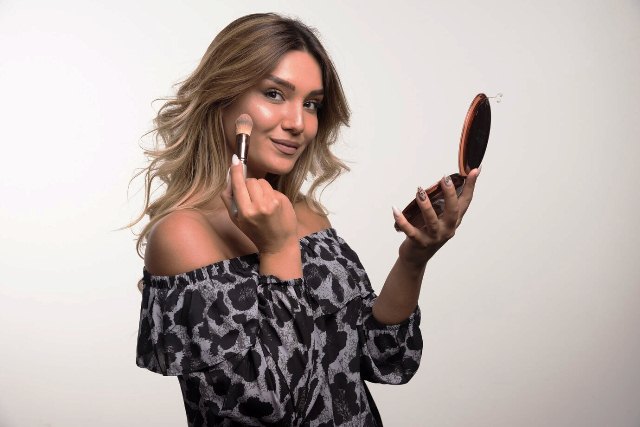
More About Makeup (foundation, lipstick, mascara)
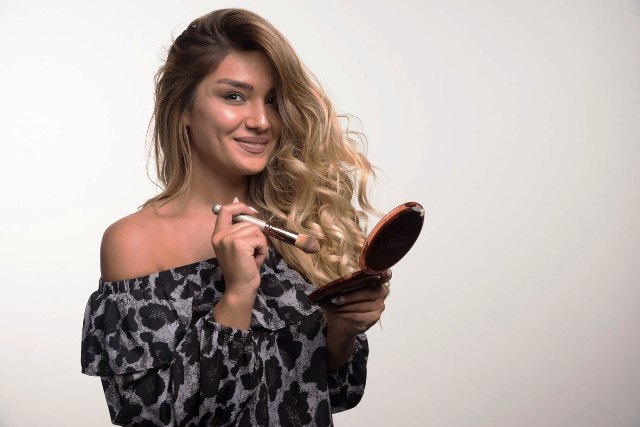
Makeup Industry Overview: Foundation, Lipstick & Mascara 💄✨
Makeup is a billion-dollar industry driven by trends in beauty, self-expression, and skincare-infused cosmetics. Foundation, lipstick, and mascara are three of the most essential and best-selling makeup products worldwide.
1. Foundation: The Base of Makeup
Types of Foundations
🟡 Liquid Foundation – Most popular, offers buildable coverage
🟡 Powder Foundation – Ideal for oily skin, provides a matte finish
🟡 Stick Foundation – Portable and easy to apply
🟡 Cushion Foundation – Lightweight and infused with skincare benefits
🟡 BB/CC Creams – Tinted moisturizers with skincare properties
Key Trends in Foundation
✅ Skincare-Infused Foundations – With SPF, hyaluronic acid, vitamin C
✅ Inclusive Shade Ranges – Wide color variety for all skin tones
✅ Clean & Vegan Formulas – No parabens, sulfates, or synthetic fragrances
2. Lipstick: A Beauty Essential
Types of Lipsticks
💄 Matte Lipstick – Long-lasting, non-shiny finish
💄 Satin & Cream Lipstick – Hydrating with a slight sheen
💄 Liquid Lipstick – Highly pigmented and long-wearing
💄 Lip Tints & Stains – Natural look with a lightweight feel
💄 Lip Gloss – Glossy shine, often with plumping effects
Key Trends in Lipstick
✅ Hydrating Lipsticks – With shea butter, vitamin E, and hyaluronic acid
✅ Smudge-Proof & Transfer-Resistant – Long-lasting wear
✅ Multi-Use Lipsticks – Lip-to-cheek tints for minimalistic beauty
✅ Sustainable Packaging – Refillable lipsticks and biodegradable tubes
3. Mascara: Enhancing the Eyes
Types of Mascara
👁️ Lengthening Mascara – Extends lashes for a dramatic effect
👁️ Volumizing Mascara – Adds thickness and fullness
👁️ Waterproof Mascara – Resistant to sweat and water
👁️ Curling Mascara – Lifts and holds curl without an eyelash curler
👁️ Fiber Mascara – Adds tiny fibers to lengthen lashes
Key Trends in Mascara
✅ Vegan & Cruelty-Free – No animal testing or animal-derived ingredients
✅ Lash-Boosting Mascara – Infused with biotin and peptides for lash growth
✅ Smudge-Proof & Flake-Free – Long-lasting without smearing
✅ Colored Mascaras – Blue, purple, and green mascaras for bold looks
4. Business & Market Trends in Makeup
💰 Global Beauty Market Growth – Expected to reach $500B+ by 2027
🌱 Sustainable Beauty – Eco-friendly and refillable products gaining traction
📲 Influencer & Social Media-Driven Sales – TikTok and Instagram drive product trends
📦 Direct-to-Consumer (DTC) Brands – More brands launching through e-commerce
Starting a Makeup Business: A Complete Guide 💄✨
The global beauty industry is worth $500B+ and continues to grow. Whether you want to launch your own makeup brand, a beauty retail store, or a private-label cosmetics business, here’s how to do it successfully.
1. Choose Your Makeup Business Model
💡 Decide on your niche:
✅ Private Label Makeup Brand – Customize and sell pre-made formulas
✅ Handmade & Organic Cosmetics – Small-batch, natural formulations
✅ Luxury Makeup Brand – High-end, premium packaging and formulas
✅ Vegan & Cruelty-Free Makeup – Eco-conscious and ethical beauty
✅ Makeup Subscription Box – Monthly beauty product deliveries
✅ Online Beauty Store – Dropship or resell popular brands
✅ Brick-and-Mortar Store – Open a retail or pop-up shop
2. Product Selection & Development
🎨 Best-Selling Makeup Products to Consider
💄 Lipstick & Lip Gloss – Matte, liquid, hydrating, long-wear
🧴 Foundation & Concealer – Skin-tone-inclusive, lightweight, long-lasting
👁 Mascara & Eyeliner – Waterproof, lengthening, volumizing
🎨 Eyeshadow Palettes – Trendy colors, high pigmentation
✨ Highlighter & Blush – Powder, cream, or liquid for glow
💆 Setting Sprays & Powders – Long-wear, oil control
🌿 Key Trends in Makeup Products
✅ Clean Beauty – No parabens, sulfates, or synthetic fragrances
✅ Sustainable Packaging – Refillable, biodegradable materials
✅ Multi-Use Products – Lip-to-cheek tints, foundation with SPF
3. Legal & Regulatory Compliance
✅ Business Registration – Set up your company (LLC, sole proprietorship, etc.)
✅ FDA & Cosmetic Regulations – Ensure your products meet safety standards
✅ Product Testing – Stability testing, patch testing for allergies
✅ Trademark & Branding Protection – Secure your brand name & logo
✅ Insurance – Protect against liability
4. Branding & Packaging
📌 Develop a Unique Brand Identity
🎨 Logo & Packaging Design – Minimalist, luxury, or fun branding?
🌱 Eco-Friendly Options – Recyclable, refillable packaging
📢 Marketing Strategies:
📱 Social Media (TikTok, Instagram, Pinterest) – Showcase tutorials & product reviews
🎥 Influencer Collaborations – Work with beauty bloggers & YouTubers
🛒 E-commerce Website – Sell through Shopify, Etsy, or Amazon
🎁 Giveaways & PR Packages – Build brand awareness
5. Sales & Distribution Channels
🛍️ Where to Sell Your Makeup Products?
🌍 Your Own Website – Direct-to-consumer brand
🏪 Retail Partnerships – Sell in beauty stores & salons
📦 Subscription Boxes – Offer monthly beauty boxes
📱 Social Commerce – Sell on Instagram, TikTok, or Facebook
6. Scaling & Growth
🚀 Next Steps for Expansion:
✅ Launch New Product Lines (Lipsticks, highlighters, etc.)
✅ Expand Internationally (Global shipping options)
✅ Open a Physical Store or Beauty Pop-Up
✅ Offer Custom Makeup Services
Makeup Supplier Recommendations for Your Business 💄✨
Finding the right supplier is key to launching a successful makeup brand. Here’s a list of private-label, wholesale, and custom formulation suppliers for cosmetics.
1. Private-Label Makeup Suppliers
💡 Best for: Fast product launch, pre-made formulas, white-label branding
✅ BLBiotech (USA) – Skincare & cosmetics private-label manufacturer
✅ Lady Burd (USA) – Offers lipsticks, foundations, mascaras, etc.
✅ Cosmiko (UK) – Vegan, cruelty-free, and organic beauty products
✅ Radical Cosmetics (USA) – Specializes in clean beauty formulations
✅ HSA Cosmetics (Italy) – Premium private-label makeup & skincare
✅ Dynamic Blending (USA) – FDA-approved, full-service manufacturer
2. Custom Makeup Formulation Suppliers
💡 Best for: Creating unique makeup formulas from scratch
✅ Kolmar Korea (South Korea) – Works with major global beauty brands
✅ Intercos (Italy/Global) – High-end custom beauty formulation
✅ Schwan Cosmetics (Germany) – Specializes in lipsticks, eyeliners, & pencils
✅ Cosmetic Solutions (USA) – Develops custom foundations, serums, etc.
✅ MSL Solution Providers (UK) – Creates clean, organic beauty formulas
3. Wholesale Makeup Distributors
💡 Best for: Bulk purchasing & resale of popular brands
✅ Beauty Joint (USA) – Wholesale distributor of NYX, L.A. Girl, etc.
✅ Faire (Global) – Connects brands with indie retailers
✅ Alibaba (China/Global) – Bulk private-label makeup options
✅ DHGate (China/Global) – Affordable wholesale cosmetics
✅ FragranceNet (USA) – Makeup & skincare wholesale distributor
4. Organic & Vegan Makeup Suppliers
💡 Best for: Clean, sustainable, & natural beauty brands
✅ Essential Wholesale & Labs (USA) – Organic & vegan formulations
✅ RainShadow Labs (USA) – Sustainable, cruelty-free private label
✅ Bio-Suisse (Switzerland) – High-end, certified organic beauty
✅ Earthly Body (USA) – Natural, hemp-based cosmetics & skincare
5. Packaging & Labeling Suppliers
💡 Best for: Custom packaging & branding
✅ APC Packaging (USA) – Sustainable beauty packaging
✅ Qosmedix (USA) – Affordable bulk beauty packaging
✅ ABA Packaging (USA) – Luxury lipstick, mascara, & foundation bottles
✅ SKS Bottle & Packaging (USA) – Glass & plastic containers
Next Steps:
1️⃣ Choose your supplier (private-label, wholesale, or custom formulation)
2️⃣ Order samples & test product quality
3️⃣ Design your branding & packaging
4️⃣ Launch your online store or retail distribution
Branding & Marketing Strategy for a Makeup Business 💄✨
A strong brand identity and marketing strategy can set your makeup brand apart in the competitive beauty industry. Here’s a step-by-step guide to help you launch and grow successfully.
1. Build a Unique Brand Identity
Your branding should be instantly recognizable and resonate with your target audience.
🎨 Key Branding Elements:
✅ Brand Name: Choose something catchy, memorable, and unique
✅ Logo & Colors: Minimalist, luxury, bold, or fun? Define your aesthetic
✅ Tagline: Example – “Glow Naturally” for an organic brand
✅ Brand Story: What’s your mission? Clean beauty, inclusivity, or affordability?
✅ Brand Personality: Luxe & high-end, youthful & fun, or eco-friendly & sustainable?
💡 Example: Fenty Beauty’s branding focuses on inclusive makeup for all skin tones, while Glossier promotes natural beauty with a minimalist aesthetic.
2. Define Your Target Market
Understanding your ideal customer helps you tailor products, marketing, and messaging.
👩 Who are you selling to?
- Luxury beauty shoppers – High-end, premium makeup buyers
- Budget-conscious customers – Affordable, drugstore-quality products
- Eco-conscious consumers – Vegan, cruelty-free, and organic beauty lovers
- Gen Z & Millennials – Social media-driven trends and influencer culture
- Professional makeup artists – High-performance, long-lasting cosmetics
🛒 Where do they shop?
- Sephora, Ulta, Amazon, direct-to-consumer websites
- Instagram, TikTok, beauty subscription boxes
3. Create a Killer Marketing Strategy
💡 Use a mix of online and offline strategies to drive brand awareness and sales.
📱 Social Media Marketing
Social media is the biggest driver of beauty brand success.
✅ Instagram & TikTok: Post tutorials, swatches, behind-the-scenes, influencer collabs
✅ Pinterest: High-quality beauty images, makeup looks, and tutorials
✅ YouTube: Product reviews, makeup tutorials, and influencer sponsorships
✅ Facebook & Twitter: Run targeted ads and engage with beauty communities
💡 Example: Kylie Cosmetics uses TikTok to drive millions in sales by leveraging influencers and viral trends.
🎥 Influencer & Affiliate Marketing
Beauty influencers can skyrocket your brand’s visibility.
✅ Micro-influencers (10K-100K followers): Affordable & high engagement
✅ Celebrity collaborations: If budget allows, this builds brand credibility
✅ Affiliate marketing: Give influencers commission for driving sales
💡 Example: Rare Beauty by Selena Gomez became a massive hit due to influencer promotions and authentic storytelling.
🛒 E-Commerce & Website Optimization
Your website should be fast, mobile-friendly, and optimized for sales.
✅ Platforms: Shopify, WooCommerce, BigCommerce, Etsy, Amazon
✅ Must-have features:
- High-quality images & videos
- Clear product descriptions & ingredient lists
- Customer reviews & testimonials
- Secure checkout & multiple payment options
💡 Example: Glossier’s minimalist website focuses on user-generated content & reviews to increase conversions.
🎁 Product Launch & Promotions
💡 Use strategic promotions to create hype around new launches.
✅ Pre-Launch Teasers: Share sneak peeks on social media
✅ Limited Edition Drops: Creates urgency and FOMO
✅ Flash Sales & Discount Codes: Drive first-time buyers
✅ Loyalty Programs & Subscriptions: Keep customers coming back
💡 Example: Fenty Beauty’s pre-launch campaign generated buzz months before its official release, leading to record-breaking sales.
💌 Email & SMS Marketing
✅ Exclusive Offers: VIP early access to new products
✅ Abandoned Cart Reminders: Recover lost sales
✅ Personalized Recommendations: Send emails based on past purchases
✅ Beauty Tips & Tutorials: Educate and engage your audience
4. Retail & Distribution Strategy
💡 Decide where to sell your products for maximum reach.
✅ Direct-to-Consumer (DTC): Sell via your own website for higher profit margins
✅ Retail Stores: Apply to get into Sephora, Ulta, or department stores
✅ Beauty Subscription Boxes: Partner with BoxyCharm, Ipsy, or Birchbox
✅ Amazon & Etsy: Leverage massive customer bases for additional sales
5. Scale & Expand Your Brand
Once you’ve built a successful brand, consider expanding into:
✅ New Product Lines: Skincare, fragrances, beauty tools
✅ International Markets: Partner with global distributors
✅ Pop-Up Shops & Flagship Stores: Build an in-person presence
Final Thoughts
Launching a successful makeup brand requires a strong brand identity, targeted marketing, and strategic distribution.
