
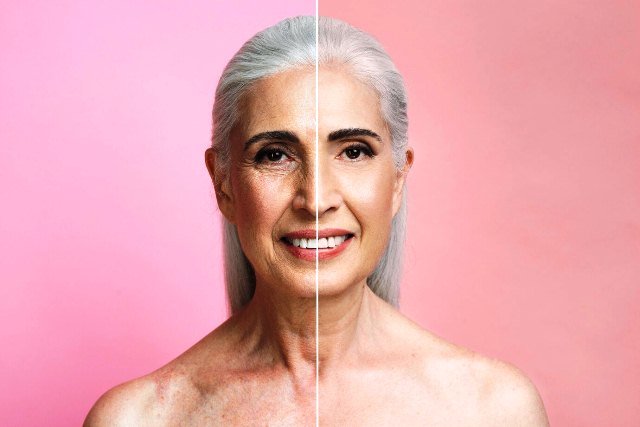
More About Anti-aging products
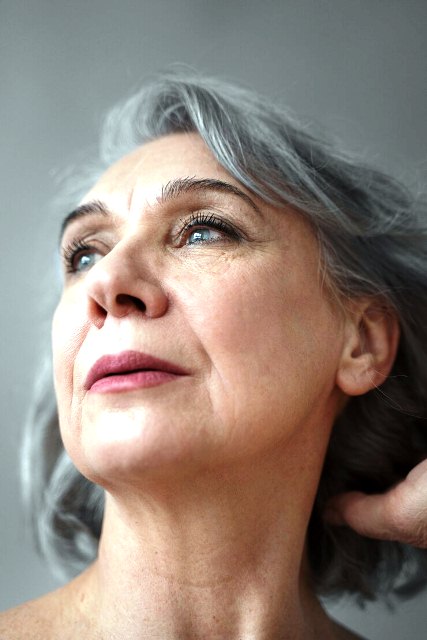
Anti-aging products are designed to reduce or slow down the signs of aging on the skin, such as wrinkles, fine lines, age spots, and loss of elasticity. These products can come in the form of creams, serums, lotions, masks, and supplements. They often contain ingredients that target specific skin concerns and promote a more youthful appearance.
Common Ingredients in Anti-Aging Products:
- Retinoids (Retinol, Retinyl Palmitate): Vitamin A derivatives that promote cell turnover, reduce fine lines, and improve skin texture.
- Vitamin C: An antioxidant that brightens the skin, boosts collagen production, and reduces dark spots.
- Hyaluronic Acid: Helps retain moisture, plumping the skin and reducing the appearance of fine lines.
- Peptides: Support collagen production and improve skin firmness.
- Alpha Hydroxy Acids (AHAs) & Beta Hydroxy Acids (BHAs): Exfoliate the skin, improve texture, and reduce pigmentation.
- Niacinamide: Helps with uneven skin tone, fine lines, and moisture retention.
- Sunscreen (SPF): Crucial for protecting the skin from UV damage, which is a major contributor to aging.
- Antioxidants (e.g., Vitamin E, Green Tea, Coenzyme Q10): Protect the skin from environmental damage and oxidative stress.
Types of Anti-Aging Products:
- Moisturizers: Hydrate and plump the skin.
- Serums: Deliver a high concentration of active ingredients.
- Eye Creams: Target fine lines and puffiness around the eyes.
- Exfoliators: Promote cell turnover and smooth the skin.
- Masks: Provide intensive treatment with ingredients like collagen or peptides.
Tips for Using Anti-Aging Products:
- Start Early: Prevention is key; incorporating anti-aging products in your late 20s or early 30s can help.
- Be Consistent: Regular use is important to see results.
- Use Sunscreen Daily: It’s one of the most effective ways to prevent premature aging.
- Avoid Over-Exfoliating: This can irritate the skin and accelerate aging.
- Stay Hydrated and Maintain a Healthy Diet: Overall wellness impacts skin health.
Start Business
Branding & Marketing Strategy for an Herbal Anti-Aging Product
The herbal anti-aging market is growing fast due to the increasing demand for natural, organic, and clean beauty products. If you’re planning to launch an herbal anti-aging brand, here’s a complete guide to branding, product positioning, and marketing strategy.
The Anti-Aging Industry Overview
The global anti-aging market is booming, driven by increasing consumer awareness, advancements in skincare science, and demand for longevity solutions. Key sectors include:
- Skincare Products (creams, serums, masks, etc.)
- Supplements & Nutricosmetics (collagen, antioxidants, vitamins)
- Medical Aesthetics (Botox, fillers, laser treatments)
- Technology & Devices (LED masks, microcurrent devices, at-home treatments)
- Longevity & Wellness (anti-aging clinics, biohacking, hormone therapy)
Starting an Anti-Aging Product Business
If you’re thinking about launching a business in this space, here are some key steps:
1. Identify Your Niche
- Organic & natural skincare
- High-tech beauty (peptides, stem cells, AI-driven skincare)
- Men’s anti-aging products
- Supplements & beauty from within
- Anti-aging treatments & devices
2. Research & Develop Your Product
- Work with cosmetic chemists or labs
- Ensure FDA or regulatory compliance
- Source high-quality ingredients
- Focus on sustainability & clean beauty trends
3. Branding & Positioning
- Define your Unique Selling Proposition (USP)
- Develop strong brand identity & packaging
- Leverage storytelling (science-backed or natural approach)
4. Sales & Distribution Strategy
- Sell direct-to-consumer (DTC) via e-commerce
- Partner with retail stores, salons, or dermatologists
- Use subscription models for recurring revenue
- Explore Amazon, Sephora, Ulta, or niche platforms
5. Marketing & Customer Engagement
- Influencer & social media marketing (Instagram, TikTok)
- Content marketing (skincare blogs, YouTube reviews)
- Email & loyalty programs
- Leverage trends like AI skincare consultations
Marketing Strategy for an Anti-Aging Product Business
The anti-aging industry is highly competitive, so your marketing strategy needs to be targeted, science-backed, and engaging. Below is a step-by-step marketing plan to successfully launch and grow your anti-aging product business.
1. Identify Your Target Audience
- Demographics: Women & men, ages 25+, professionals, beauty-conscious consumers.
- Pain Points: Wrinkles, sagging skin, dark spots, dullness, hydration loss.
- Consumer Behavior: Online shoppers, skincare enthusiasts, wellness-focused buyers.
Segment Your Audience:
✔️ Prevention-focused (25-35 years old): Interested in early anti-aging skincare & SPF.
✔️ Correction-focused (35-50 years old): Looking for retinol, collagen, firming treatments.
✔️ Luxury & science-driven (50+ years old): Premium products with advanced ingredients.
2. Build a Strong Brand Identity
- Unique Selling Proposition (USP): What makes your brand different? (E.g., “Clean anti-aging powered by peptides and botanical extracts.”)
- Packaging & Design: Minimalist, eco-friendly, premium feel.
- Trust & Credibility: Clinical studies, dermatologist endorsements, before-and-after results.
3. Digital Marketing Strategy
A. Content Marketing (Education + Engagement)
- Blog & SEO Strategy:
- “How Retinol Helps Reverse Wrinkles”
- “Best Skincare Routine for Anti-Aging”
- “Collagen vs. Hyaluronic Acid – Which One Do You Need?”
- Video Content (TikTok, YouTube, Instagram Reels):
- Tutorials: “How to Apply Retinol for Maximum Benefits”
- Product Demos: “Watch This Serum Reduce Fine Lines in 4 Weeks”
- Behind-the-scenes: “How We Make Our Anti-Aging Cream”
B. Influencer & UGC (User-Generated Content) Marketing
- Partner with beauty influencers & dermatologists for product reviews.
- Encourage customers to post before-and-after testimonials.
- Use micro-influencers (10K-100K followers) for more authentic engagement.
C. Social Media Strategy
- Instagram & TikTok:
- Daily skin tips, transformations, trends (#antiaging, #skincaregoals).
- Customer testimonials & live Q&A sessions.
- Facebook & Pinterest:
- Targeted ads for middle-aged and older consumers.
- Anti-aging skincare routines & ingredient breakdowns.
D. Email Marketing & Retargeting
- Personalized email sequences:
- Welcome emails with a discount.
- Educational emails about skincare ingredients.
- Cart abandonment emails to boost conversions.
- Loyalty & referral programs: Reward customers for repeat purchases.
4. Paid Advertising (PPC + Influencer Collabs)
- Google Ads: Target “best anti-aging serum” & “retinol for beginners.”
- Facebook & Instagram Ads: Retarget visitors who browsed your site.
- YouTube Ads: Partner with skincare experts for long-form video reviews.
5. PR & Brand Authority
- Get featured in beauty magazines (Vogue, Allure, Elle).
- Collaborate with dermatologists for expert endorsements.
- Offer free samples to influencers & skincare bloggers for organic exposure.
6. Retail & E-Commerce Expansion
- Amazon & Shopify Store Optimization: Use high-quality images, strong descriptions, and reviews.
- Subscription Model: Offer monthly skincare subscriptions for repeat business.
- Retail Partnerships: Get listed in Sephora, Ulta, or luxury spas.
7. Track & Optimize Performance
- Google Analytics: Monitor website traffic & conversions.
- Social Media Insights: See what content drives the most engagement.
- Customer Feedback: Use reviews to improve formulas & marketing angles.
Branding Strategy for an Anti-Aging Product Business
A strong brand in the anti-aging industry builds trust, credibility, and loyalty. Your brand should communicate a clear message, identity, and promise to your audience. Below is a step-by-step branding guide to help you create a standout anti-aging brand.
1. Define Your Brand Identity
A. Brand Mission & Story
- What problem are you solving? (e.g., “Empowering people to age gracefully with science-backed skincare.”)
- What makes your products different? (e.g., Clean ingredients, dermatologist-approved, results-driven.)
- Why did you start this brand? (e.g., Personal skincare journey, science innovation, or industry gap.)
B. Unique Selling Proposition (USP)
- Luxury & premium: High-end packaging, exclusive formulas.
- Science-backed: Clinical results, dermatologist-tested.
- Natural & clean beauty: Organic, vegan, cruelty-free.
- Holistic & wellness-focused: Anti-aging from within (skincare + supplements).
2. Develop a Strong Brand Name & Tagline
Brand Name Ideas:
- Timeless Glow – Emphasizes radiant, youthful skin.
- EternaSkin – Suggests lasting beauty.
- Rejuvia – A mix of “rejuvenation” and “via” (the way).
- Luméa – Inspired by “luminous” and elegance.
- SkinVita – Skin + vitality.
Tagline Ideas:
- “Ageless Beauty, Naturally.”
- “Science Meets Skin.”
- “Glow at Every Age.”
- “Timeless Skin, Effortless You.”
3. Visual Branding: Logo, Colors & Packaging
A. Logo Design
- Minimalist & clean (luxury feel).
- Serif or script fonts for elegance.
- Simple icon (leaf, droplet, DNA strand).
B. Color Palette
- Luxury: Gold, black, white.
- Clean & organic: Soft pastels, green, earth tones.
- Science & innovation: Blue, silver, metallics.
C. Packaging Design
- Minimalist bottles & jars (glass for premium feel).
- Eco-friendly packaging (biodegradable, refillable options).
- Matte & metallic finishes (elevates luxury perception).
4. Brand Voice & Messaging
A. Tone & Personality
- Luxury & premium: Sophisticated, elegant, refined.
- Science-backed: Educational, informative, expert-driven.
- Holistic & wellness: Warm, nurturing, natural.
B. Key Messaging
- “Clinically proven to reduce wrinkles in 4 weeks.”
- “Dermatologist-approved anti-aging solutions.”
- “Powered by nature, perfected by science.”
5. Positioning & Marketing Strategy
A. Social Media & Content Strategy
- Instagram & TikTok: Before-and-after results, expert skincare tips.
- YouTube: Skincare education, dermatologist collaborations.
- Blog: SEO-friendly content on anti-aging trends.
B. Influencer & Celebrity Endorsements
- Partner with dermatologists, skincare experts.
- Use micro-influencers for authentic reviews.
- Target 30+ age groups with relatable ambassadors.
C. Community & Loyalty Building
- VIP skincare club with exclusive early access to products.
- Personalized skincare consultations.
- Referral programs & rewards.
6. Website & E-Commerce Branding
- Luxury & minimal design (clean layout, premium feel).
- Compelling product descriptions (focus on results & benefits).
- High-quality lifestyle images (show real people using the product).
- Customer reviews & testimonials (build trust).
Branding & Marketing Strategy for an Herbal Anti-Aging Product
The herbal anti-aging market is growing fast due to the increasing demand for natural, organic, and clean beauty products. If you’re planning to launch an herbal anti-aging brand, here’s a complete guide to branding, product positioning, and marketing strategy.
Resume
1. Define Your Brand Identity
A. Brand Mission & Story
- What makes your brand unique? → “Harnessing the power of nature for timeless beauty.”
- What ingredients define your brand? → Herbal extracts, botanicals, ayurvedic formulas, essential oils.
- What is your commitment? → Clean beauty, sustainability, cruelty-free, eco-friendly packaging.
B. Unique Selling Proposition (USP)
- Organic & natural: No synthetic chemicals, parabens, or artificial fragrances.
- Traditional meets modern: Ayurveda, Chinese herbs, or indigenous botanicals combined with scientific research.
- Holistic approach: Anti-aging skincare + supplements for internal wellness.
2. Create a Strong Brand Name & Tagline
Herbal Anti-Aging Brand Name Ideas:
- BotanAge – A blend of “Botanical” and “Age.”
- EverHerb – A name suggesting herbal longevity.
- VitaLeaf – “Vita” (life) + “Leaf” (nature).
- Ancient Glow – Inspired by traditional herbal remedies.
- FloraTimeless – A fusion of nature and anti-aging.
Tagline Ideas:
- “Nature’s Secret to Ageless Beauty.”
- “Timeless Skin, Powered by Plants.”
- “Pure Botanicals, Lasting Youth.”
- “Herbal Wisdom for Modern Beauty.”
3. Product Development & Hero Ingredients
Popular Herbal Anti-Aging Ingredients:
- Turmeric – Anti-inflammatory, brightening.
- Ginseng – Boosts collagen, reduces wrinkles.
- Aloe Vera – Hydrates & soothes skin.
- Green Tea Extract – Antioxidant-rich, fights free radicals.
- Gotu Kola – Firms skin & promotes elasticity.
- Rosehip Oil – Packed with vitamins A & C for skin renewal.
Product Line Ideas:
- Anti-Aging Herbal Face Serum – Infused with ginseng & hyaluronic acid.
- Herbal Night Cream – With turmeric & aloe vera for hydration.
- Botanical Face Mask – Detoxifying clay with green tea extract.
- Collagen-Boosting Tea – Herbal drink with hibiscus & gotu kola.
4. Branding & Packaging Design
A. Logo & Colors
- Earthy tones (green, beige, brown) for a natural feel.
- Gold or copper accents for a premium touch.
- Minimalist design with herbal illustrations.
B. Packaging Ideas
- Glass jars & bottles (eco-friendly, premium).
- Biodegradable or recycled packaging.
- Herb-inspired labels (botanical patterns, clean fonts).
5. Marketing Strategy
A. Content Marketing (Education + Engagement)
- Blog SEO Topics:
- “Best Herbs for Anti-Aging & Wrinkle Prevention.”
- “Why Natural Skincare Works Better for Aging Skin.”
- “Ayurvedic Secrets for Youthful Skin.”
- YouTube & Instagram Reels:
- Tutorials on herbal skincare routines.
- Behind-the-scenes of product creation.
- Ingredient deep dives (e.g., benefits of ginseng for skin).
B. Influencer & Community Marketing
- Partner with holistic wellness & beauty influencers.
- Collaborate with naturopaths, herbalists, and skincare experts.
- Encourage user-generated content (UGC) with before-and-after testimonials.
C. Social Media Strategy
- Instagram & TikTok:
- Daily skincare rituals using herbal ingredients.
- Before-and-after transformations.
- Q&A sessions on herbal anti-aging.
- Pinterest & Facebook:
- Herbal skincare tips & DIY face masks.
- Targeted ads for eco-conscious consumers.
D. Email & Loyalty Programs
- Personalized skincare quizzes → Offer customized product recommendations.
- Loyalty rewards → Points for referrals, reviews, repeat purchases.
- Subscription model → Monthly herbal skincare & wellness kits.
6. Retail & E-Commerce Expansion
- DTC via Shopify or Amazon – Direct sales with storytelling.
- Partnerships with organic beauty stores & herbalists.
- Subscription Boxes – Collaborate with wellness subscription boxes (e.g., FabFitFun, Allure Beauty Box).
7. Brand Authority & PR
- Feature in natural beauty magazines (Goop, Well+Good, MindBodyGreen).
- Get certified organic & cruelty-free (boosts credibility).
- Offer free samples to skincare bloggers & herbal wellness experts.
