

More about Plus-size clothing & specialty sizing
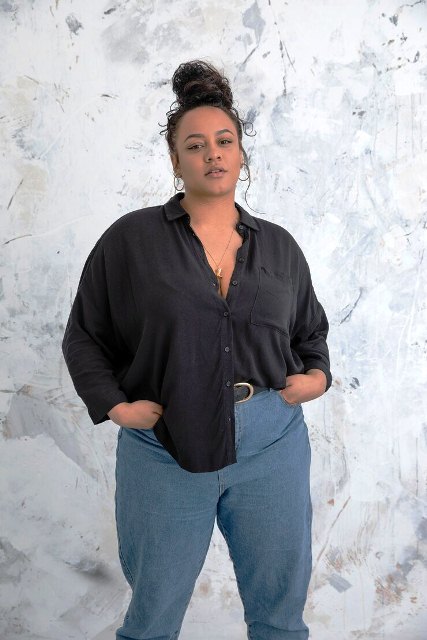
Plus-Size Clothing & Specialty Sizing: A Growing Market 📈
The plus-size fashion industry has seen massive growth due to increased demand for inclusive sizing, better designs, and diverse representation. Many brands are expanding their collections to cater to plus-size consumers (sizes 14+) and specialty sizing (petite, tall, maternity, adaptive clothing, etc.).
1. The Market Opportunity 💰
✔ The global plus-size clothing market is projected to reach $700+ billion by 2027.
✔ Over 60% of women in the U.S. wear size 14 or above, yet many brands ignore this segment.
✔ Men’s plus-size fashion is also growing, with demand for better fits, stylish options, and athletic wear.
🔹 Biggest Markets: U.S., Canada, UK, Australia, Europe, and parts of Asia (India, Japan, South Korea).
2. Business Strategies for Plus-Size Fashion Brands 👗
If you’re launching or expanding into plus-size or specialty sizing, here’s what works:
✅ a) Focus on Fit & Quality
✔ Offer true-to-size fits instead of simply scaling up from straight sizes.
✔ Use stretchy, breathable, and comfortable fabrics.
✔ Offer different body shapes (e.g., pear, apple, hourglass).
🔹 Example: Universal Standard is known for high-quality fits for all body types.
✅ b) Inclusive Sizing & Specialty Collections
✔ Go beyond XL and 2XL—offer sizes up to 5X, 6X, or custom options.
✔ Include petite plus, tall plus, and extended sizing.
✔ Offer specialty categories:
- Maternity plus-size (comfortable & stretchable for pregnancy).
- Adaptive plus-size (clothing for people with disabilities).
- Activewear & lingerie plus-size (high demand but limited options).
🔹 Example: Good American offers sizes 00–24 in all collections, making shopping easy for all body types.
3. Marketing Strategies for Plus-Size Fashion 📣
✅ a) Body-Positive Branding & Representation
✔ Use real plus-size models, not just size 12 pretending to be plus-size.
✔ Show different body types & ethnicities in campaigns.
✔ Use body-positive messaging—avoid terms like “flattering” or “hiding curves.”
🔹 Example: Aerie’s #AerieREAL campaign uses unretouched plus-size models, boosting customer trust.
✅ b) Social Media & Influencer Marketing 📱
✔ Partner with plus-size influencers & bloggers for authentic promotions.
✔ Use TikTok & Instagram Reels for styling tips & try-ons.
✔ Run user-generated content (UGC) campaigns to build a community.
🔹 Example: Eloquii collaborates with plus-size fashion influencers to showcase trendy outfits.
✅ c) Size-Inclusive SEO & E-Commerce
✔ Optimize for search terms like “trendy plus-size outfits”, “size 20 activewear”, “curvy fashion”.
✔ Offer a detailed size chart & virtual fitting tools to reduce returns.
✔ Use a separate plus-size section OR integrate all sizes in one collection.
🔹 Example: ASOS Curve integrates plus & straight sizes together, promoting inclusivity.
4. E-Commerce & Retail Considerations 🛍️
✔ Offer free returns & exchanges—fit is a major concern for plus-size shoppers.
✔ Provide 3D fitting tools or live chat with stylists for sizing help.
✔ Consider a subscription box model for styling & personalized recommendations.
🔹 Example: Dia & Co offers personalized plus-size styling subscriptions.
Final Thoughts 💡
✅ The plus-size market is booming—brands that focus on fit, quality, and inclusivity will succeed.
✅ Marketing should be body-positive & community-driven—authentic representation matters.
✅ Offering specialty sizing (petite, tall, adaptive, maternity) can help tap into niche audiences.
Marketing Strategy for Plus-Size & Specialty Fashion 🚀
To successfully market plus-size clothing (or specialty sizing like petite, tall, maternity, and adaptive fashion), you need a strategy that prioritizes inclusivity, community-building, and smart advertising. Here’s how to create a winning marketing plan:
1. Brand Positioning & Messaging 🏷️
✔ Focus on body positivity – No “slimming” or “hiding curves” language.
✔ Use real, diverse models – Show different body shapes & ethnicities.
✔ Emphasize comfort & confidence – Not just style, but how it feels to wear.
🔹 Example: Dove & Aerie’s unretouched campaigns increased brand trust & sales.
2. Social Media Marketing 📱
Social media is key to building community & brand awareness.
✅ Best Platforms for Plus-Size Fashion:
✔ Instagram & TikTok – Visual platforms for styling videos & try-on hauls.
✔ Pinterest – High conversion rates for fashion shoppers.
✔ Facebook Groups – Build a body-positive fashion community.
✔ YouTube – “Try-on hauls” & “plus-size styling tips” work well.
✅ Winning Social Media Strategies:
✔ Influencer Marketing – Collaborate with plus-size fashion influencers.
✔ Reels & TikTok Trends – Use styling challenges & viral trends.
✔ User-Generated Content (UGC) – Feature real customers wearing your brand.
✔ Live Shopping Events – Host Instagram & TikTok lives for product launches.
🔹 Example: Eloquii partners with plus-size influencers to create viral TikToks showing their latest collections.
3. Paid Advertising (Facebook, Instagram, TikTok Ads) 💰
Paid ads help scale your business faster.
✅ Best Ad Types for Plus-Size Brands:
✔ Carousel Ads – Show different body types in the same outfit.
✔ Before & After Ads – “Tired of ill-fitting clothes? Try our perfect fit!”
✔ Video Ads – Reels & TikTok-style ads work best.
✔ Retargeting Ads – Bring back visitors who didn’t buy.
🔹 Pro Tip: Use Facebook Lookalike Audiences to target customers similar to your existing buyers.
4. Influencer & Affiliate Marketing 🌟
Plus-size customers trust real recommendations over traditional ads.
✅ How to Use Influencers & Affiliates:
✔ Work with micro-influencers (10K–100K followers) – Higher engagement rates.
✔ Start an affiliate program – Bloggers & influencers earn a commission for every sale.
✔ Host brand ambassador programs – Engage everyday customers as promoters.
🔹 Example: Fashion Nova Curve’s influencer partnerships drive massive sales through Instagram.
5. SEO & Content Marketing (Free Organic Traffic) 🔍
SEO helps rank your store on Google & attract organic traffic.
✅ SEO Strategy for Plus-Size Fashion:
✔ Target keywords like:
- “Trendy plus-size outfits”
- “Best jeans for curvy women”
- “Size 20 dress for weddings”
✔ Create a fashion blog with styling tips & product guides.
✔ Optimize product descriptions with plus-size keywords.
🔹 Example: ASOS Curve ranks for “best plus-size dresses”, driving organic sales.
6. Email & SMS Marketing 💌
Building an email & SMS list is key to repeat sales & customer retention.
✅ Best Email & SMS Strategies:
✔ Welcome Discounts – “Get 15% off your first order!”
✔ Abandoned Cart Reminders – “Still thinking about this? Grab it before it’s gone!”
✔ Exclusive VIP Offers – Early access to new collections.
✔ Size-Specific Promotions – Send targeted emails (e.g., “Shop Our New Size 3X Arrivals”).
🔹 Example: Dia & Co personalizes emails based on customer sizing & preferences.
7. Community-Building & Customer Engagement 🤝
People buy from brands that make them feel seen & valued.
✅ Ways to Build a Loyal Community:
✔ Facebook Groups – A private group for styling tips & customer stories.
✔ Hashtag Campaigns – Encourage customers to share their looks (e.g., #MyCurvyStyle).
✔ Virtual Styling Sessions – Offer 1:1 fit consultations on Instagram Live.
🔹 Example: Torrid’s loyalty program rewards repeat customers with points & exclusive perks.
8. Partnerships & Collaborations 🤝
Partnering with other brands can help expand your audience.
✅ Best Collaboration Ideas:
✔ Cross-Promotions – Work with a plus-size lingerie or shoe brand.
✔ Limited-Edition Collections – Co-create products with influencers.
✔ In-Person Events – Host plus-size fashion pop-ups or styling workshops.
🔹 Example: Ashley Graham’s collabs with Swimsuits For All sold out instantly.
Final Thoughts 💡
✅ For plus-size fashion brands, inclusivity & representation matter most.
✅ Focus on influencer marketing, paid ads, & community engagement.
✅ SEO, email marketing, & partnerships will drive long-term growth.
Still confused or busy to set up your online store? E-Commerce ,Website operation/ Optimization ? It’s very easy, just contact us/hire a web master/web developer/IT Consultant
.
